



Michigan’s abundant water, rolling hills, and cool climate make for not only prime grape growing but beautiful getaways. The state’s wine regions are framed by dunes and bays and stitched together by two-lane roads and tasting rooms where winemakers often pour their own vintages. It’s a place where agriculture meets artistry and where the sunsets can rival those anywhere in the country. Here are 15 reasons to plan a trip to the “Napa of the Midwest.”
1. Five AVAs, Five Distinct Vibes
Michigan is home to five federally recognized American Viticultural Areas: Fennville, Lake Michigan Shore, Leelanau Peninsula, Old Mission Peninsula, and Tip of the Mitt. Each reflects its own combination of soil, climate, elevation, and proximity to water, key elements that shape a wine’s terroir.
According to Emily Dockery, executive director of the Michigan Wine Collaborative, each area has its own personality. Southwest Michigan’s Fennville and Lake Michigan Shore AVAs lean agricultural and community driven. The Old Mission and Leelanau peninsulas are defined by panoramic bay views and scenic routes. The Tip of the Mitt is innovative, embracing cold-hardy hybrids and new frontiers.
“Everyone has their own unique identity,” Dockery says.
2. Short Trips to Great Sips
Beyond the official AVAs, emerging areas like River Raisin and segments of the Upper Peninsula are expanding Michigan’s wine map. The result? Easy access.
“I don’t think there’s anywhere in Michigan, except maybe some corners of the U.P., where you’re more than an hour from a winery,” Dockery says.
Michigan wine country is also just a short road trip from neighboring states. For Illinois or Indiana residents, that might mean a drive to the Lake Michigan Shore. For visitors from Wisconsin, it’s a U.P. adventure. Ohioans can choose from wineries on the eastern side of the state or make their way west to an AVA.
It’s a weekend habit waiting to happen.
3. The Sweet Spot
The Leelanau and Old Mission peninsulas sit along the 45th parallel, the same latitude as Bordeaux, France, and Piedmont, Italy. Southwest Michigan, including the Fennville and Lake Michigan Shore AVAs, benefits from similarly favorable cool-climate conditions but a longer growing season.
Then there’s the Great Lake effect, which regulates temperatures, protecting vines from the harshest weather in winter and extending the growing season in fall.
“The proximity to the water, the rolling hills, the sandier soil — all of it really lends itself to being proficient in growing grapes,” says Trevor Tkach, president and CEO of Traverse City Tourism.

4. Rock-Star Rieslings
Riesling was one of the first European wine grapes to be planted in Michigan, and the variety continues to be exceptionally well suited to the region. Pinot Gris, Gewürztraminer, and cool-climate Chardonnay also shine.
“It started with whites,” Tkach says. “Those are probably what we’re most well known for.”
5. Rosé All Day
Rosé has become a Michigan summer staple, and for good reason. The signature pink-hued wine can be crafted from a range of grapes that can handle Michigan’s unpredictable weather.
“Those weird, funky, cool hybrid varieties make beautiful rosés,” Dockery says. “That is something that every single wine producer can make.”
Crisp, fruit-forward, and picnic-ready, rosé feels tailor-made for lakeside afternoons.
6. Fruity Favorites
Michigan is one of the nation’s top fruit-growing states, and vintners make the most of it. From blueberry and strawberry to peach and apple, fruit wines reflect the agricultural abundance beyond grapes.
Cherry wine in particular is a northern Michigan icon, thanks to the region’s tart cherry orchards (Traverse City isn’t known as the Cherry Capital of the World for nothing!).
7. Award-Winning Vintages
Michigan wines are no longer under the radar. They’re earning national and international acclaim. Leelanau and Old Mission Peninsula wineries recently captured dozens of gold and double gold medals at the 2026 San Francisco Chronicle Wine Competition, including multiple Best of Class awards.
Producers from the Lake Michigan Shore and beyond consistently score high at competitions across the country — bringing home additional double gold medals from the San Francisco Chronicle Wine Competition and others — which underscores the state’s growing reputation. What was once a regional secret is now drawing attention from serious wine enthusiasts.
8. Unparalleled Views
Few places pair world-class pours with freshwater vistas quite like Michigan. On the Old Mission Peninsula, wineries boast views of both East and West Grand Traverse Bay. Brys Estate Vineyard & Winery’s expansive deck overlooks neatly planted vines cascading toward East Bay — just one example of the many Michigan vineyards surrounded by breathtaking scenery.
“There aren’t a ton of wine regions where you have these beautiful wineries that are overlooking these panoramic views of water and rolling hills and sunsets,” Tkach says.

9. Wonderful Wine Trails
Self-guided wine trails make exploration easy and immersive. Pick up a passport (for select trails), follow a mapped route, and taste your way through a region. Some trails also offer events and special deals.
Options include the Lake Michigan Shore Wine Trail, Leelanau Peninsula Wine Trail, Makers Trail, Old Mission Peninsula Wine Trail, Petoskey Wine Region, River Raisin Wine Trail, and even the U.P. Wine Trail. Whether you’re traveling with friends or plotting a romantic escape, wine trails guide the way.
10. Four-Season Fun
Wine country adventures run all year long. Beach days and water activities define the warm months, and fall foliage transforms vineyard backdrops into blazing canvases of red and gold.
Winter brings downhill and cross-country skiing as well as snowshoeing. Indoors, cozy tasting rooms with fireplaces and mulled wine greet visitors during the quieter seasons.
Many wineries host live music, hiking and biking trails, and seasonal festivals. In every season, winery visitors can partake in all manner of activities, including arts and crafts, game nights, book clubs and fairs, themed bingo, and karaoke. Agritourism experiences like goat yoga and lavender tours deepen the connection between land and table.

11. Delectable Dining
Michigan wineries understand the art of pairing. From estate restaurants sourcing local produce to chef-driven tasting dinners inspired by surrounding land and water, culinary experiences elevate the visit.
Tabor Hill Winery & Restaurant in Buchanan is known for using locally sourced ingredients designed to complement its wines. French Valley Vineyard on the Leelanau Peninsula offers family-style raclette dinners using Leelanau cheese, while Coriander Kitchen & Farm in Detroit features Michigan wines to match with its produce grown on-site.
12. Amazing Accommodations
Why rush home when you can stay among the vines? Wine country accommodations range from vineyard inns to waterfront luxury hotels.
Chateau Chantal’s bed-and-breakfast and the Inn at Black Star Farms consistently rank among travelers’ favorites, offering vineyard views and immersive tasting experiences. Along Grand Traverse Bay, waterfront hotels like the Delamar provide refined comfort near town.
Elsewhere in Michigan, select wineries and nearby inns offer cozy, vineyard-adjacent stays that turn a tasting into a full escape. For the more adventurous, several wineries across the state partner with Harvest Hosts, a program where members can camp in their RVs at sites for no fee (besides a purchase from the winery).
13. Slow Travel Done Right
Slow travel — taking longer, more-intentional trips rooted in local culture — is on the rise. Rather than racing from stop to stop, travelers are choosing to linger, learn, and connect.
Michigan wine country rewards that approach. Stay in one area. Talk to the winemaker. Walk the vineyard rows. Eat seasonally. Repeat.
It’s less about checking boxes and more about savoring moments.

14. Community and Craft
Behind every bottle is a family, a farmer, a dreamer. Many of the state’s wineries are multigenerational operations or passion projects turned thriving businesses.
You’re likely to meet the person who pruned the vines or crafted the vintage. That accessibility helps make every visit feel personal.
15. Sparkling Souvenirs
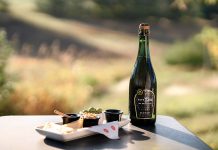
When in doubt, bring bubbles home.
“Everybody likes sparkling wine,” Dockery says. “If I’m getting a bottle for somebody and I don’t know anything about what they like, usually it’s going to be a sparkling.”
Michigan’s climate lends itself well to sparkling production. Whether you prefer brut, rosé, or another style, sparkling wine makes a fitting souvenir. Bring it home as a gift to share or a memento to tide you over until your next trip to Michigan wine country.








Facebook Comments